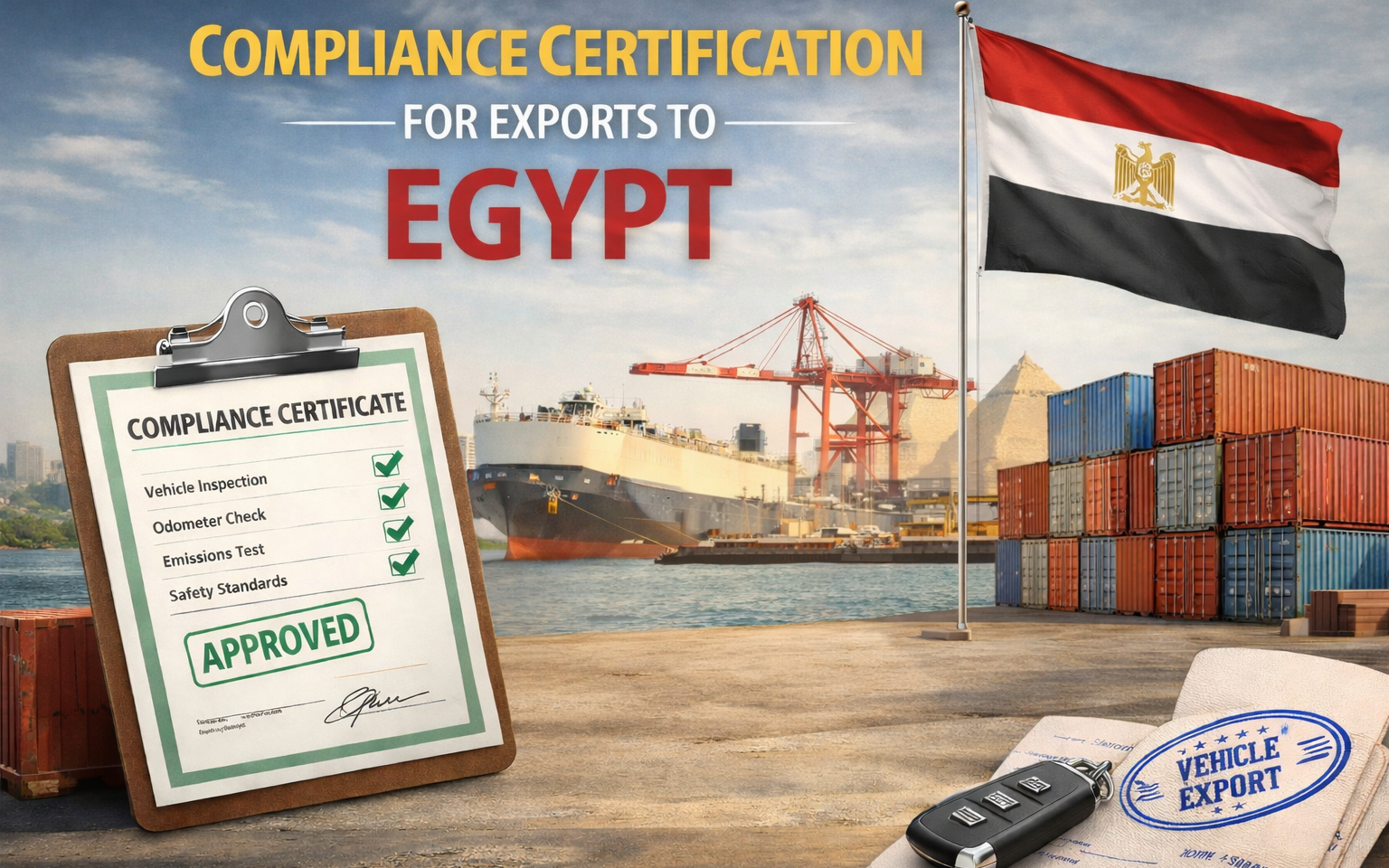
Compliance Certification for Exports to Egypt: A Complete Guide for Exporters
Egypt is one of the largest and most strategically important markets in the Middle East and North Africa (MENA) region. With its growing consumer base and strong import demand, Egypt presents significant opportunities for exporters worldwide. However, to access this market, exporters must meet strict compliance certification requirements set by Egyptian authorities to ensure product safety, quality, and regulatory conformity.
Understanding and fulfilling these certification requirements is essential to avoid shipment delays, penalties, or rejection at Egyptian ports.
What Is Compliance Certification for Egypt?
Compliance certification for exports to Egypt refers to the mandatory verification process that confirms imported products meet Egyptian standards and technical regulations. These requirements are enforced primarily by the General Organization for Export and Import Control (GOEIC) under Egypt’s Ministry of Trade and Industry.
The certification process ensures that products comply with Egyptian quality standards, labeling rules, and safety regulations before they are allowed to enter the local market.
Why Compliance Certification Is Mandatory
Egypt enforces compliance certification to:
-
Protect consumer health and safety
-
Prevent the import of substandard or counterfeit goods
-
Ensure fair trade practices
-
Align imports with national and international standards
Non-compliant shipments may face detention, re-inspection, fines, or complete rejection.
Key Regulatory Authorities in Egypt
Several organizations regulate and oversee import compliance in Egypt, including:
-
GOEIC (General Organization for Export and Import Control) – Primary authority for inspection and certification
-
EOS (Egyptian Organization for Standardization) – Develops Egyptian standards (ES)
-
Ministry of Trade and Industry – Oversees trade regulations and policies
-
Customs Authority – Enforces import clearance at ports
Each authority plays a crucial role in ensuring imported products meet Egyptian regulations.
Products Requiring Compliance Certification
Many products exported to Egypt require mandatory compliance certification, including:
-
Electrical and electronic products
-
Textiles and garments
-
Footwear and leather products
-
Home appliances
-
Building materials
-
Cosmetics and personal care products
-
Food contact materials
Certain products may require factory registration with GOEIC before export.
Egypt’s Certificate of Conformity (CoC)
For regulated products, exporters must obtain a Certificate of Conformity (CoC) issued by an approved inspection or certification body. The CoC confirms that the product complies with applicable Egyptian standards and import regulations.
The certification process typically involves:
-
Document review (invoices, packing lists, test reports)
-
Product testing at accredited laboratories
-
Pre-shipment inspection
-
Issuance of Certificate of Conformity
Without a valid CoC, shipments risk being held or rejected upon arrival.
Factory Registration with GOEIC
For specific product categories, Egypt requires factory registration with GOEIC. This applies mainly to manufacturers of regulated goods such as electrical appliances, textiles, and consumer products.
Factory registration involves:
-
Submission of legal and quality documents
-
Proof of compliance with ISO or equivalent quality systems
-
Verification by Egyptian authorities
Only registered factories are permitted to export regulated products to Egypt.
Labeling and Documentation Requirements
Egypt has strict labeling rules that exporters must follow, including:
-
Product name and description
-
Country of origin
-
Manufacturer’s name and address
-
Safety instructions
-
Arabic labeling (mandatory)
Accurate documentation is essential for smooth customs clearance.
Common Challenges Exporters Face
Exporters may encounter challenges such as:
-
Frequent regulatory updates
-
Complex factory registration procedures
-
Arabic documentation requirements
-
Delays due to incomplete or incorrect paperwork
Working with experienced compliance and certification consultants can help mitigate these challenges.
Best Practices for Smooth Export to Egypt
To ensure successful market entry, exporters should:
-
Identify applicable Egyptian standards early
-
Ensure factory registration where required
-
Conduct pre-shipment testing and inspections
-
Maintain updated technical documentation
-
Partner with authorized inspection bodies
A proactive compliance strategy reduces risks and speeds up customs clearance.
Conclusion
Compliance certification for exports to Egypt is a critical requirement for accessing this dynamic and growing market. By understanding GOEIC regulations, obtaining the required Certificate of Conformity, and ensuring proper factory registration, exporters can avoid costly delays and ensure seamless market entry.
With the right preparation and expert guidance, compliance becomes a powerful enabler of successful trade with Egypt.