
Used Car Compliance Certification for Exports to Saudi Arabia: A Complete Guide
Saudi Arabia is one of the largest importers of used vehicles in the Middle East, driven by strong consumer demand and a well-regulated automotive market. However, exporting used cars to Saudi Arabia requires strict adherence to used car compliance certification rules set by Saudi authorities. These regulations are designed to ensure vehicle safety, environmental protection, and consumer transparency.
For exporters, understanding the compliance process is essential to avoid shipment rejection, fines, or delays at Saudi ports.
What Is Used Car Compliance Certification?
Used car compliance certification is a mandatory verification process that confirms a used vehicle meets Saudi standards and technical regulations before it can be imported and registered in Saudi Arabia. The process is governed primarily by the Saudi Standards, Metrology and Quality Organization (SASO) and enforced through Saudi Customs.
Only vehicles that meet Saudi safety, emissions, and age requirements are permitted entry into the Kingdom.
Why Compliance Certification Is Mandatory
Saudi Arabia enforces used vehicle compliance to:
-
Ensure road safety and vehicle reliability
-
Control environmental emissions
-
Prevent import of damaged or unsafe vehicles
-
Protect buyers from fraud and misrepresentation
Non-compliant vehicles are denied entry and may be re-exported or scrapped at the importer’s expense.
Key Regulatory Authorities
The main authorities involved in used car compliance include:
-
SASO (Saudi Standards, Metrology and Quality Organization) – Sets vehicle standards
-
SALEEM Program – Saudi product safety and conformity system
-
Saudi Customs (ZATCA) – Clears vehicles at ports
-
Approved conformity assessment bodies – Conduct inspections and issue certificates
These authorities work together to ensure imported used cars meet Saudi regulations.
Used Car Eligibility Requirements
Before applying for compliance certification, exporters must ensure vehicles meet Saudi eligibility criteria, including:
-
Vehicle age limits (generally not older than 5 years for passenger cars, subject to updates)
-
Left-hand drive only
-
Clear accident history (no major accidents, flood damage, or fire damage)
-
Valid chassis (VIN) number
-
No structural modifications
Vehicles failing these criteria are not eligible for certification.
Saudi Conformity Certificate for Used Cars
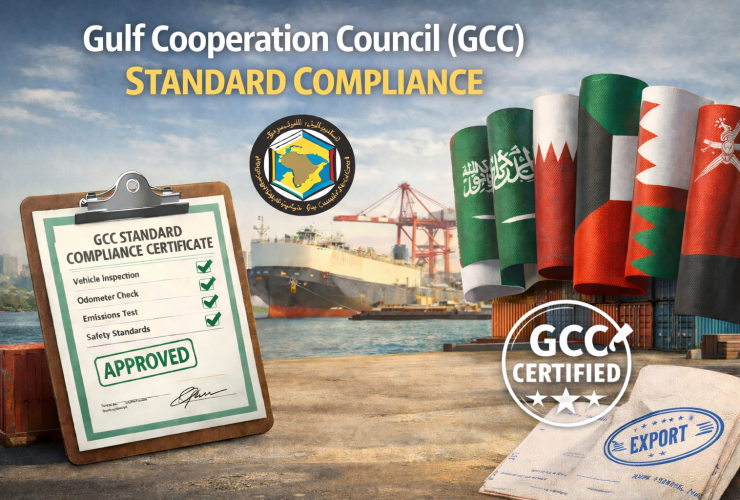
Exporters must obtain a Saudi Conformity Certificate (CoC) under the SALEEM system before shipment. The certification process typically includes:
-
Vehicle inspection by an approved body
-
Verification of vehicle history and documentation
-
Emissions and safety compliance check
-
Submission to SASO/SABER platform
-
Issuance of Certificate of Conformity
Without a valid CoC, Saudi Customs will not allow vehicle clearance.
Required Documents for Used Car Certification
Typical documents required include:
-
Vehicle title or ownership certificate
-
Export certificate
-
Commercial invoice and packing list
-
Vehicle inspection report
-
VIN and engine number details
-
Photographs of the vehicle
Accurate and complete documentation is critical to avoid delays.
Common Reasons for Shipment Rejection
Used car shipments to Saudi Arabia are commonly rejected due to:
-
Exceeding age limits
-
Accident or flood-damaged vehicles
-
Missing or incorrect documents
-
Right-hand drive vehicles
-
Non-compliance with emissions standards
Pre-inspection and expert verification can significantly reduce these risks.
Best Practices for Exporters
To ensure smooth export of used vehicles to Saudi Arabia:
-
Verify vehicle eligibility before purchase
-
Use SASO-approved inspection agencies
-
Register and process certification via SABER
-
Maintain transparent vehicle history records
-
Stay updated with SASO regulatory changes
A proactive compliance approach saves time, cost, and reputation.
Conclusion
Used car compliance certification for exports to Saudi Arabia is a mandatory and highly regulated process. By meeting SASO requirements, obtaining the Saudi Conformity Certificate, and ensuring accurate documentation, exporters can achieve seamless market entry and successful vehicle clearance.
With proper planning and professional compliance support, exporting used cars to Saudi Arabia becomes a structured, predictable, and profitable trade opportunity.