Gulf Cooperation Council (GCC) Standard Compliance: A Complete Guide for Exporters
The Gulf Cooperation Council (GCC) is one of the most attractive trade regions in the world, offering access to high-growth markets such as Saudi Arabia, the UAE, Kuwait, Qatar, Oman, and Bahrain. However, entering these markets requires strict adherence to GCC standard compliance, which ensures product safety, quality, and regulatory alignment across member states.
For exporters and manufacturers, understanding GCC compliance is not just a legal requirement—it is a strategic step toward smooth market entry and long-term success.
What Is GCC Standard Compliance?
GCC standard compliance refers to meeting the technical regulations, safety requirements, and conformity standards established by the Gulf Standardization Organization (GSO). These standards aim to harmonize regulations across GCC countries, reducing trade barriers while ensuring consumer protection.
Products that comply with GCC standards are allowed to be marketed, distributed, and sold within GCC member countries without facing regulatory delays or penalties.
Why GCC Compliance Is Important
GCC compliance plays a critical role in international trade for several reasons:
-
Legal market access: Non-compliant products can be rejected, seized, or banned at customs.
-
Consumer safety: Standards ensure products meet health, safety, and environmental requirements.
-
Brand credibility: Compliance builds trust with regulators, distributors, and end consumers.
-
Smooth customs clearance: Certified products experience fewer delays at ports of entry.
Failing to meet GCC standards can lead to financial losses, shipment rejections, and damage to brand reputation.
Key GCC Regulatory Authorities
Several regulatory bodies manage and enforce GCC compliance, including:
-
Gulf Standardization Organization (GSO) – Develops unified technical standards.
-
Saudi Standards, Metrology and Quality Organization (SASO) – Oversees compliance in Saudi Arabia.
-
Emirates Authority for Standardization and Metrology (ESMA) – Regulates products in the UAE.
-
Local conformity assessment bodies – Handle testing, inspection, and certification.
Each country may have additional national requirements alongside unified GCC standards.
Products Covered Under GCC Compliance
GCC standards apply to a wide range of products, including:
-
Electrical and electronic equipment
-
Toys and children’s products
-
Automotive parts and tires
-
Construction materials
-
Cosmetics and personal care products
-
Food contact materials and packaging
Certain product categories require mandatory certification and labeling before entering the GCC market.
GCC Conformity Assessment and Certification
To demonstrate compliance, manufacturers and exporters must undergo a conformity assessment process, which may include:
-
Product testing at accredited laboratories
-
Technical documentation review
-
Factory audits or inspections (for regulated products)
-
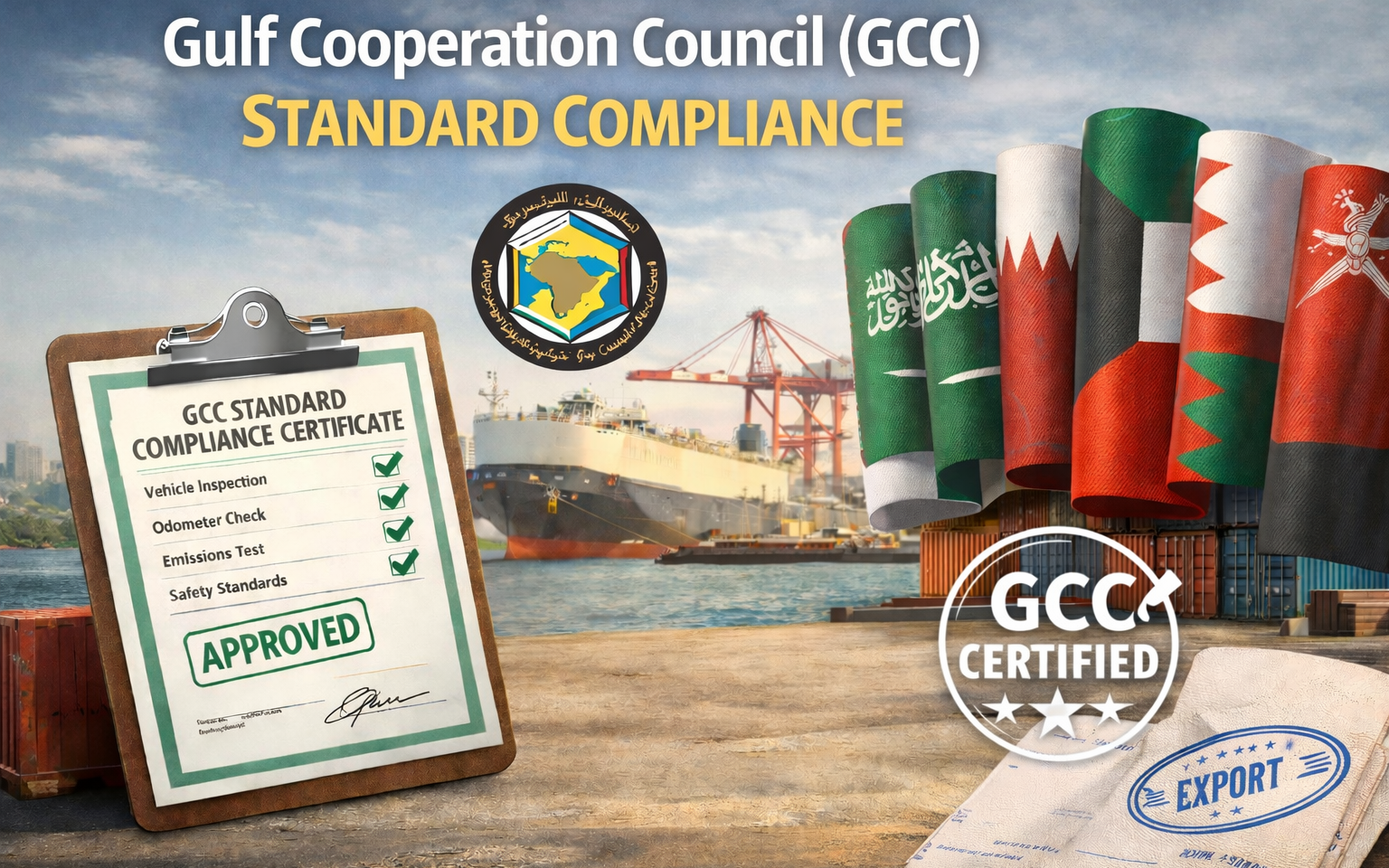
Issuance of GCC Conformity Certificate
In many cases, products must carry the G-Mark, which indicates conformity with GCC technical regulations. The G-Mark is mandatory for regulated products sold within GCC countries.
Documentation Required for GCC Compliance
Typical documentation required includes:
-
Product test reports
-
Technical files and specifications
-
Risk assessment reports
-
Manufacturer’s declaration of conformity
-
Labeling and user manuals in Arabic (and English, where applicable)
Accurate documentation is essential to avoid customs delays or rejection.
Challenges in Achieving GCC Compliance
While GCC compliance offers unified standards, exporters may face challenges such as:
-
Frequent regulatory updates
-
Country-specific variations in enforcement
-
Language and labeling requirements
-
Complex certification procedures
Working with experienced compliance consultants or certification bodies can significantly reduce these challenges.
Best Practices for Exporters
To ensure smooth GCC market entry, exporters should:
-
Identify applicable GCC standards early in product development
-
Conduct pre-compliance testing
-
Keep documentation updated and accurate
-
Monitor regulatory changes regularly
-
Partner with accredited conformity assessment bodies
A proactive compliance strategy saves time, cost, and operational risk.
Conclusion
Gulf Cooperation Council standard compliance is a vital requirement for businesses aiming to expand into GCC markets. By meeting GSO standards, securing the necessary certifications, and following conformity assessment procedures, exporters can unlock seamless access to one of the world’s most lucrative trading regions.
With the right approach and expert guidance, GCC compliance becomes not a hurdle—but a competitive advantage.